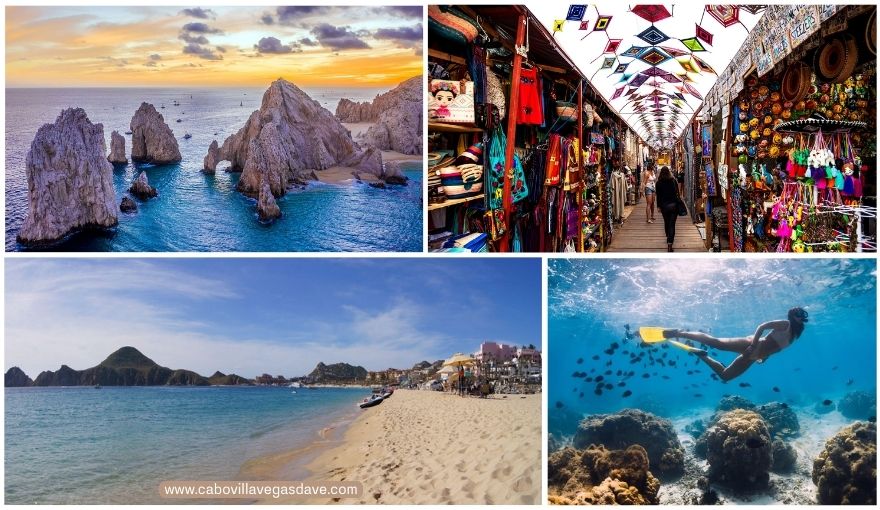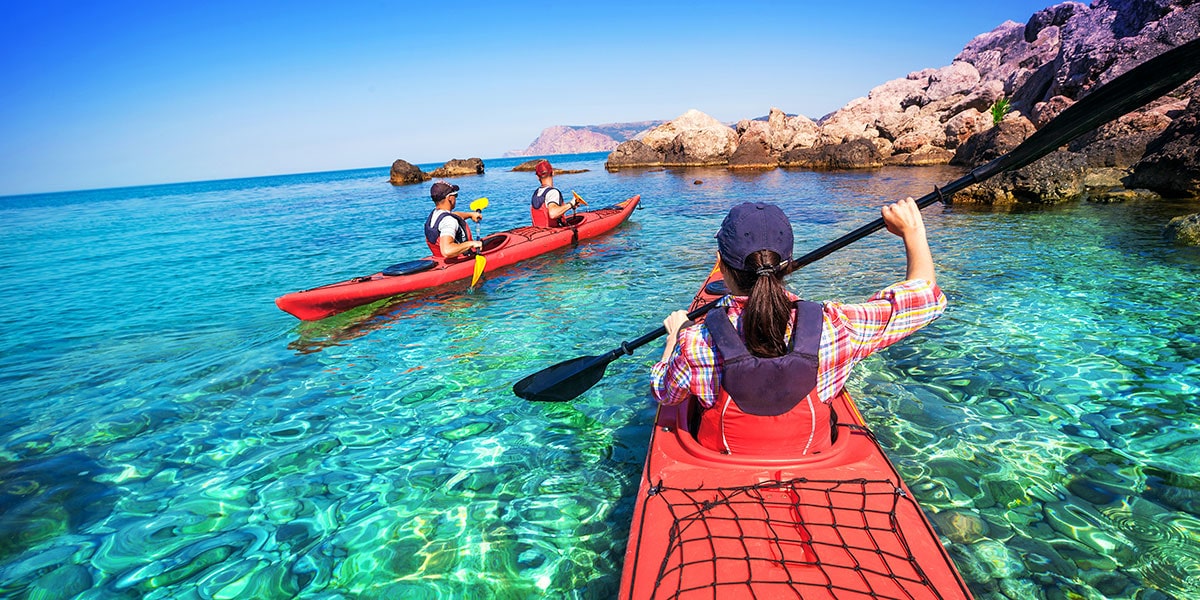
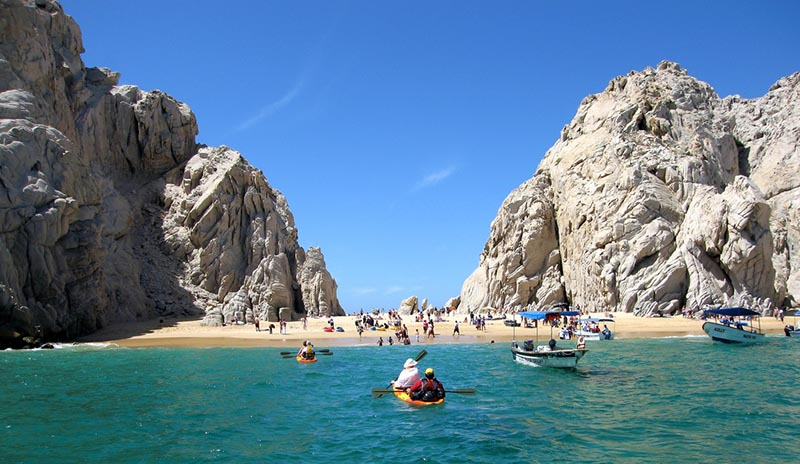
Cabo is one of those destinations that looks effortless online—blue water, dramatic coastlines, luxury resorts, and perfect weather. While Cabo San Lucas really is that stunning, first-time visitors are often surprised by how a few small details can shape the entire trip, from where you stay to how you get around and what you can safely do at the beach.
To help you plan with confidence, this guide breaks down the 8 most important things to know before going to Cabo, covering everything travelers actually search for, beaches, safety, money, nightlife, and where to stay. Whether you’re booking a resort or exploring luxury villa vacation rentals in Cabo, understanding these basics upfront will help you enjoy Cabo the right way from day one.

1. Los Cabos Is a Region, Not Just One City
This is one of the biggest sources of confusion for first-time visitors. Los Cabos is the region at the southern tip of the Baja California Peninsula. Within it are two main towns:
- Cabo San Lucas: Lively, social, tours, nightlife, marina
- San José del Cabo: Quieter, more traditional, artsy
When most people say “Cabo,” they mean Cabo San Lucas. Where you stay affects everything: walkability, nightlife, beach access, and overall vibe.
2. The Weather Is Incredible
Cabo enjoys sunshine most of the year, which is why it’s such a popular escape. That said:
- Summer can be very hot
- Rain is rare, but when it happens, activities slow down
- Cabo doesn’t operate like a big city during storms—things pause
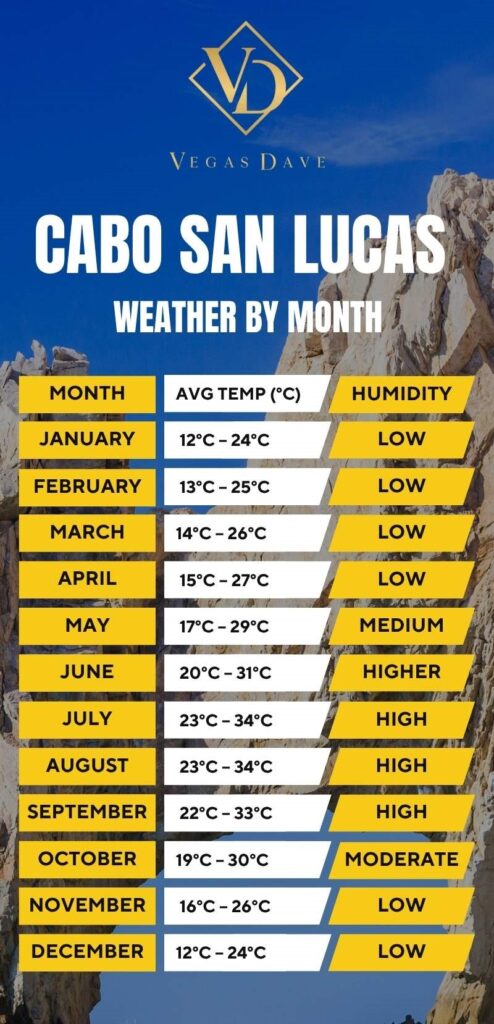
This isn’t a problem. It just means flexibility matters. The weather in Cabo rewards travelers who go with the flow.
3. Not All Cabo Beaches Are Swimmable

This is one of the most important things to understand before you arrive. Many Mexico beaches especially in Cabo, are not safe for swimming due to:
- Strong currents
- Steep drop-offs
- Powerful waves
- No lifeguards on many beaches
The beach flag system
- Green – Safe
- Yellow – Caution
- Red – Dangerous
- Black – Beach closed
But there are also some swimmable beaches in Cabo, including:
- Medano Beach – The most popular and consistently swimmable beach in Cabo San Lucas
- Chileno Beach – Calm waters, excellent for swimming and snorkeling
- Santa Maria Beach – A protected cove with clear, gentle water
- Palmilla Beach – Family-friendly with softer waves
This doesn’t mean you’ll miss out if your accommodation sits on a non-swimmable beach. Cabo is designed around resort pools, ocean views, and easy access to designated swimming areas, so once you know where swimming is allowed, you can enjoy the water safely and confidently.
4. Cabo Isn’t Just a Party Destination
Cabo can be a party destination—but it doesn’t have to be.
Many travelers expect nonstop nightlife and are surprised to find:
- Rooftop cocktail bars
- Fine-dining restaurants
- Luxury spas
- Quiet, adults-only resorts
This flexibility is why Cabo has become one of the top destinations for private celebrations. Many groups choose Cabo villas for birthday parties, bachelor parties, bachelorette parties, weddings, and engagement celebrations because villas allow complete control over the experience. No shared spaces. No strict schedules. Just privacy, space, and the freedom to celebrate your way.
Whether the plan is a relaxed gathering, a multi-day celebration, or a mix of nightlife and downtime, Cabo makes it easy to design a trip that feels personal rather than packaged.
5. English Is Widely Spoken
Spanish is the local language, but English is spoken almost everywhere in Cabo—especially in tourist areas.
Still:
- Learning a few basic Spanish phrases is appreciated
- Google Translate is helpful
- Making an effort is always met with warmth
Cabo feels welcoming, not intimidating, even for first-time Mexico travelers.
6. The Local Currency Is the Mexican Peso (But Dollars Work)
Another common concern when traveling to Cabo is money, but it’s much simpler than most people expect.
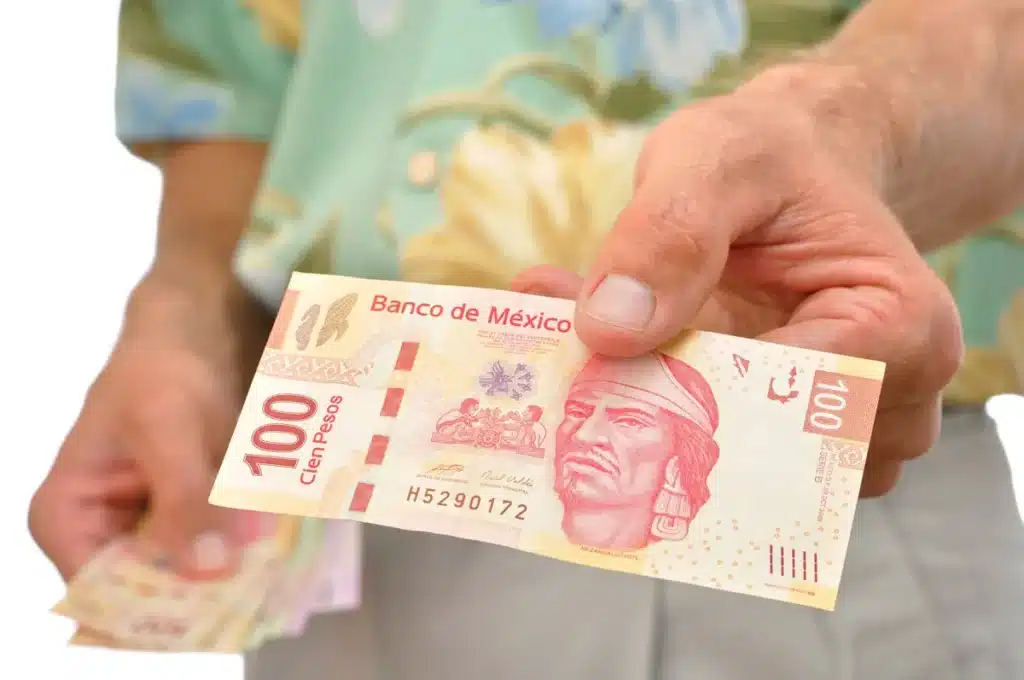
The official currency in Mexico is the Mexican Peso, but Cabo takes US dollars almost everywhere. Restaurants, resorts, tour operators, and shops regularly accept USD, making Cabo very easy for international travelers.
What to know before you go:
- Mexican Pesos are the local currency
- US dollars are widely accepted throughout Cabo
- Credit and debit cards work in most places
- ATMs are easy to find in Cabo San Lucas and resort areas
It’s still a good idea to carry some cash for:
- Tips
- Drivers and transport
- Small vendors and local services
You don’t need to stress about currency exchange. Cabo is built for visitors, and handling money here is straightforward and convenient.
7. Staying in Cabo: Location and Privacy Matter More
Where you stay in Cabo has a bigger impact on your trip than most people expect.
Cabo is spread out, and not all accommodations offer the same balance of privacy, views, space, and convenience. Resorts work well for short stays, but many travelers—especially groups, families, and longer stays—prefer private villas for comfort and flexibility.
That’s where Villa Vegas Dave properties stand out.
Villa Vegas Dave 3

Perfect for guests who want a modern luxury feel, space to relax, and a quiet setting without feeling disconnected from Cabo’s main attractions.
Villa Vegas Dave 2

Designed for upscale gatherings, celebrations, and longer stays, with seamless indoor–outdoor living and dedicated concierge-style comfort.
Villa Vegas Dave 1

Ideal for groups who want panoramic ocean views, open living spaces, and easy access to Cabo San Lucas while still enjoying privacy.
Staying in a private villa means:
- No crowded pools
- More space for groups
- Flexible dining and schedules
- A quieter, more personalised Cabo experience
If Cabo is about relaxation and quality time for you, choosing the right place to stay can completely elevate the trip.
8. Cabo Is Safe, Well-Organised, and Security-Focused
One of the most related questions is: Is it safe to travel to Cabo right now?
For tourists, Cabo is a safe destination in Mexico.
Why:
- Heavy tourism infrastructure
- Visible security at resorts
- Strong police presence in tourist areas
Most visitors report feeling comfortable walking around, dining out, and exploring—especially when using basic travel awareness.
Frequently Asked Questions:
Where is Cabo San Lucas located?
Cabo is located at the southern tip of Baja California Peninsula (Mexico), where the Pacific Ocean meets the Sea of Cortez. It’s part of the larger Los Cabos region, along with San José del Cabo, and is best known for its marina, beaches, nightlife, and access to ocean activities.
Can you drink the water in Cabo?
No. Tap water in Cabo is not recommended for drinking. Stick to bottled or purified water, which is easy to find and often provided by hotels and villas. Ice at reputable restaurants and resorts is usually made from filtered water and is generally safe.
Do I need pesos, or can I use US dollars in Cabo?
You can use US dollars almost everywhere in Cabo. The local currency is the Mexican Peso, but most restaurants, resorts, and tour operators accept USD and cards. Carry small bills for tips, drivers, and local vendors.
Are Cabo beaches swimmable?
Some are, many are not. Cabo has strong currents and steep drop-offs, especially on the Pacific side. Always check beach flags before swimming. Medano Beach and a few protected coves are the most reliable swimmable beaches in Cabo.
How do I get from SJD Airport to my hotel or villa?
You can use a private transfer from Cabo San Lucas Airport. Private transfers are the easiest and most popular option, especially for villas and groups. Taxis operate on fixed pricing zones, not meters.
Cabo San Lucas vs San José del Cabo: which is better?
Cabo San Lucas is lively, social, and activity-focused, while San José del Cabo is quieter and more traditional. Neither is better overall—it depends on whether you want energy and nightlife or a relaxed, cultural atmosphere.
Final Thoughts:
Cabo doesn’t require complicated planning—it requires knowing the right things before you go. Once you understand how Los Cabos works, which beaches are safe for swimming, how money and tipping function, and what Cabo is known for, planning your trip becomes simple and stress-free.
These facts about Cabo San Lucas are what turn a good trip into a great one. With the basics covered, you can focus on enjoying the views, the food, the experiences, and choosing the stay that fits your travel style.