Travellers often see the terms villa and single-family home used interchangeably. Many listings blur the lines. Photos look similar. Amenities overlap. This confusion leads to wrong expectations and, in many cases, disappointment.
Understanding the difference between a villa vs single family home helps travellers choose the right accommodation. This matters even more for destination travel, group trips, and longer stays in destinations like Cabo San Lucas, Mexico. While both options offer privacy, they serve very different purposes.
This guide explains the real difference between a family friendly villa in Cabo and a single-family home, how each functions, and when one makes more sense than the other.
What Is a Villa?
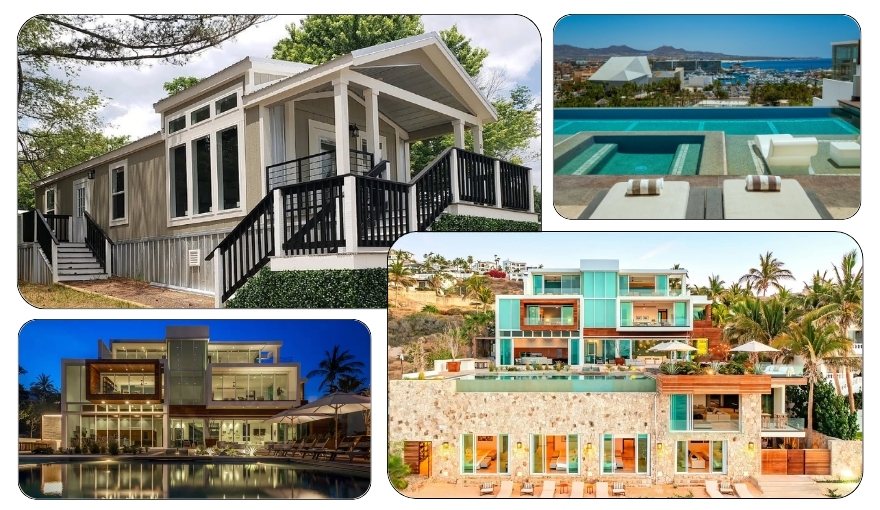
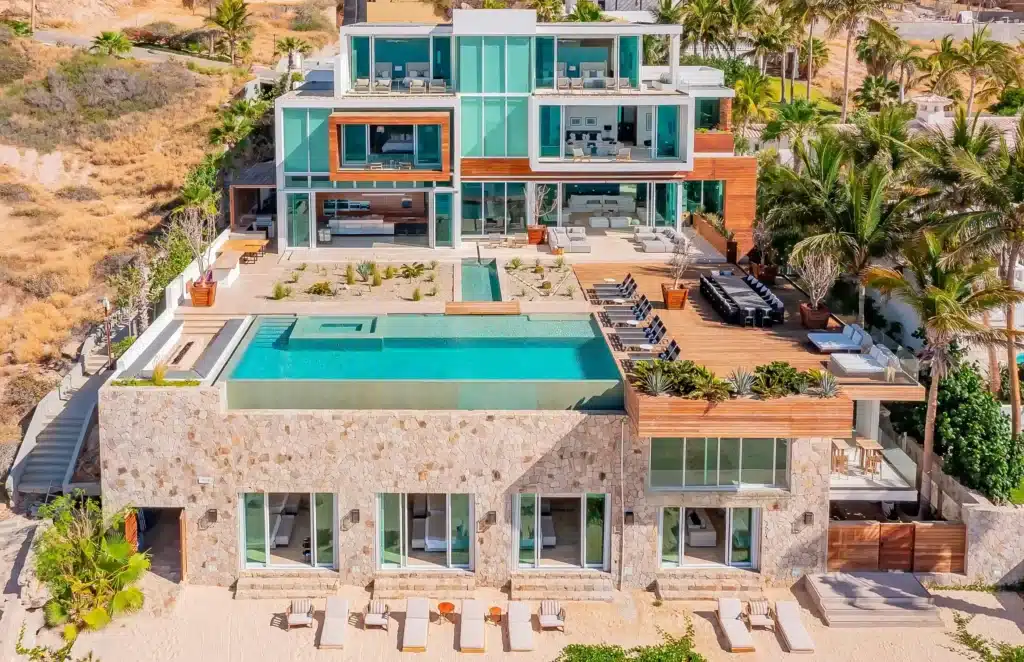
A villa is a purpose-built accommodation designed for guest stays. Most villas exist in travel destinations. Their layouts, services, and locations support short-term or extended visits rather than everyday living.
Villas usually feature open layouts, shared living areas, and strong indoor-outdoor flow. Designers plan them around guest comfort and group movement. Bedrooms often sit apart to support privacy, while common areas remain central.
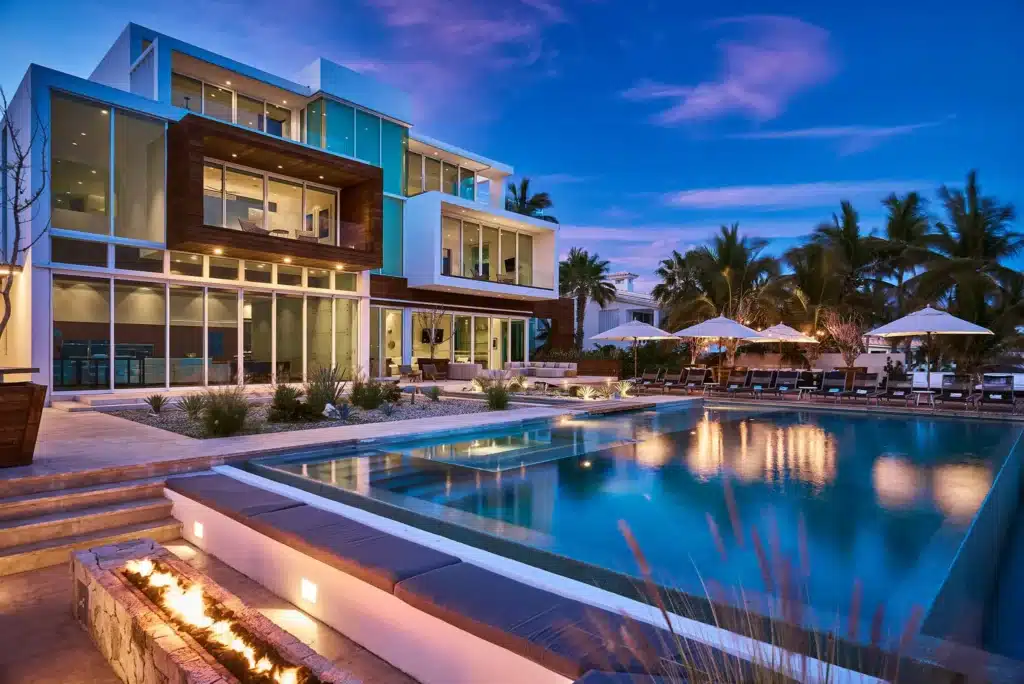
In many destinations, villas operate as managed properties. On-site staff, concierge services, and arrival coordination come standard. These features reduce friction and simplify the guest experience.
What Is a Single-Family Home?
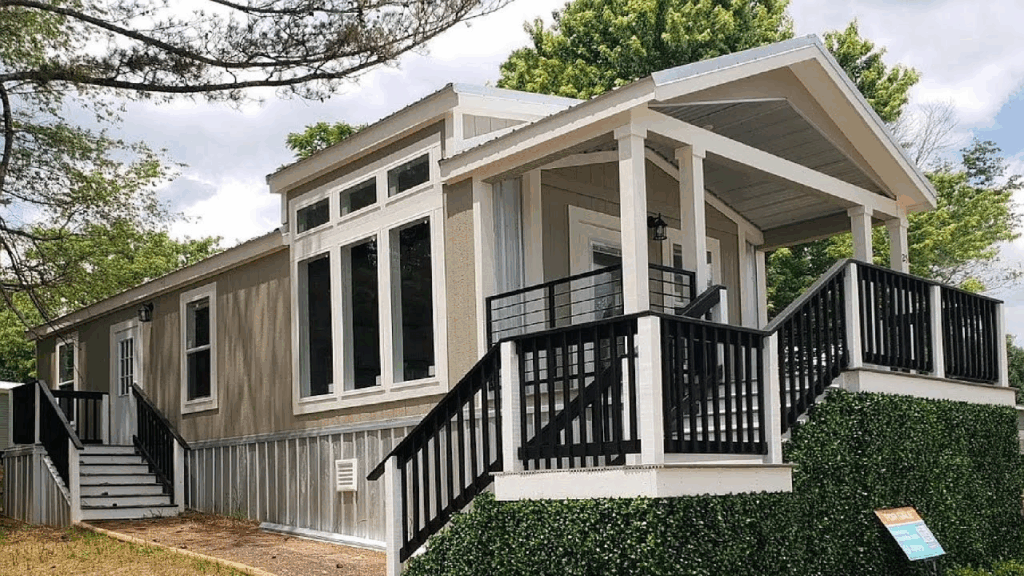
A single-family home serves one primary purpose. It supports long-term residential living. Owners design these homes for daily routines, not rotating guests.
Layouts often reflect personal habits. Bedrooms cluster together. Living spaces support private use. Outdoor areas focus on family needs rather than group gatherings.
When used as rentals, single-family homes often lack hospitality infrastructure. Owners may manage them remotely. Guests handle check-in, support, and logistics independently.
A single-family home can still offer comfort. It simply does not operate like a hospitality property.
Design and Layout Differences
Design intent shapes experience.
Villas focus on flow. Guests move easily between shared areas, outdoor spaces, and private rooms. The layout encourages social time without forcing it. Groups can gather or separate without friction.
Single-family homes prioritize routine. Spaces serve fixed functions. Movement feels more segmented. These layouts work well for families who know the home. They feel less intuitive for rotating guests.
This difference explains why villas perform better for group travel and destination stays.
Services and Property Management
Services define the real gap between villas and single-family homes.
Most villas include professional management. Staff handle arrivals, housekeeping schedules, and maintenance. Villa’s concierge services assist with transport, dining, and activities. Guests focus on their stay instead of logistics.
Single-family homes rarely include these services. Guests manage issues themselves or rely on remote support. Response times vary. The experience depends heavily on the owner and availability.
Concierge services are one of the most important factors when choosing between a villa vs apartment, or single family homes. For travellers comparing villas vs single family home for vacation rental, this difference becomes clear after arrival.
Privacy, Security, and Location
Both options offer privacy, but the context differs.
Villas often sit within gated communities or established travel zones. Security teams, controlled access, and consistent standards support guest safety. Locations balance privacy with access to beaches, towns, and services.
Single-family homes may sit in residential neighbourhoods. These areas follow different expectations. Noise rules, parking limits, and neighbour sensitivity affect the stay. Security infrastructure varies widely.
For destination travel, villas usually offer a more predictable environment.
Flexibility for Groups and Gatherings
Group travel exposes design flaws quickly.
Villas support shared meals, gatherings, and celebrations. Kitchens, dining areas, and outdoor spaces accommodate multiple people comfortably. Noise rarely becomes an issue.
Single-family homes often struggle with this use. Space limitations, layout constraints, and neighbourhood rules reduce flexibility. What works for a family may not work for a group.
This explains why villas in Cabo for large groups dominate the conversation.
Cost vs Value in Real Terms
Price comparisons rarely tell the full story.
Villas bundle value through services, support, and design. Guests pay for convenience, comfort, and reduced friction. The experience stays smooth even during longer stays.
Single-family homes may appear cheaper upfront. Additional costs appear later through transport needs, coordination issues, or service gaps.
Value depends on how travellers use the space, not just the nightly rate.
When a Villa Makes More Sense
Villas work best when experience matters.
They suit:
- Group travel
- Family vacations
- Destination stays
- Milestone trips
- Longer visits
The structure supports shared living without compromise.
In destinations like Cabo San Lucas, villas reflect this model clearly. Properties such as Villa Vegas Dave 3 operate as purpose-built guest accommodations rather than converted residential homes. The focus stays on layout, management, and location rather than everyday residential use.
When a Single-Family Home May Be Enough
Single-family homes still serve a purpose.
They suit:
- Short stays
- Small groups
- Familiar locations
- Travellers who prefer independence
When service expectations stay low, these homes work well.
Final Thoughts: Choosing the Best Based on Purpose
Villas exist for guests. Single-family homes exist for residents. When travellers understand this difference, decisions become easier. Expectations align with reality.
For destination travel, group stays, and experience-driven trips, villas usually deliver more consistent comfort. For simple stays with minimal needs, a single-family home may suffice.
The right choice depends on how you plan to live during your stay, not just where you sleep.
Frequently Asked Questions
What’s the difference between a villa and a single-family home?
A villa is designed for guest stays and short-term use, often with management and services. A single-family home is built for long-term residential living and usually lacks hospitality support.
Which is more expensive, a villa or a mansion?
When comparing a villa vs mansion, a mansion usually costs more due to size, scale, and exclusivity. Villas focus more on experience, location, and services rather than sheer square footage.
Is a villa more expensive than a house?
Villas often cost more due to location, services, and design. The value comes from convenience, privacy, and support rather than size alone.
Which is better, a villa or a bungalow?
The choice between a villa vs bungalow depends on how you plan to use the space. A villa suits group travel, destination stays, and shared experiences. A bungalow suits simple, single-level living and smaller groups.